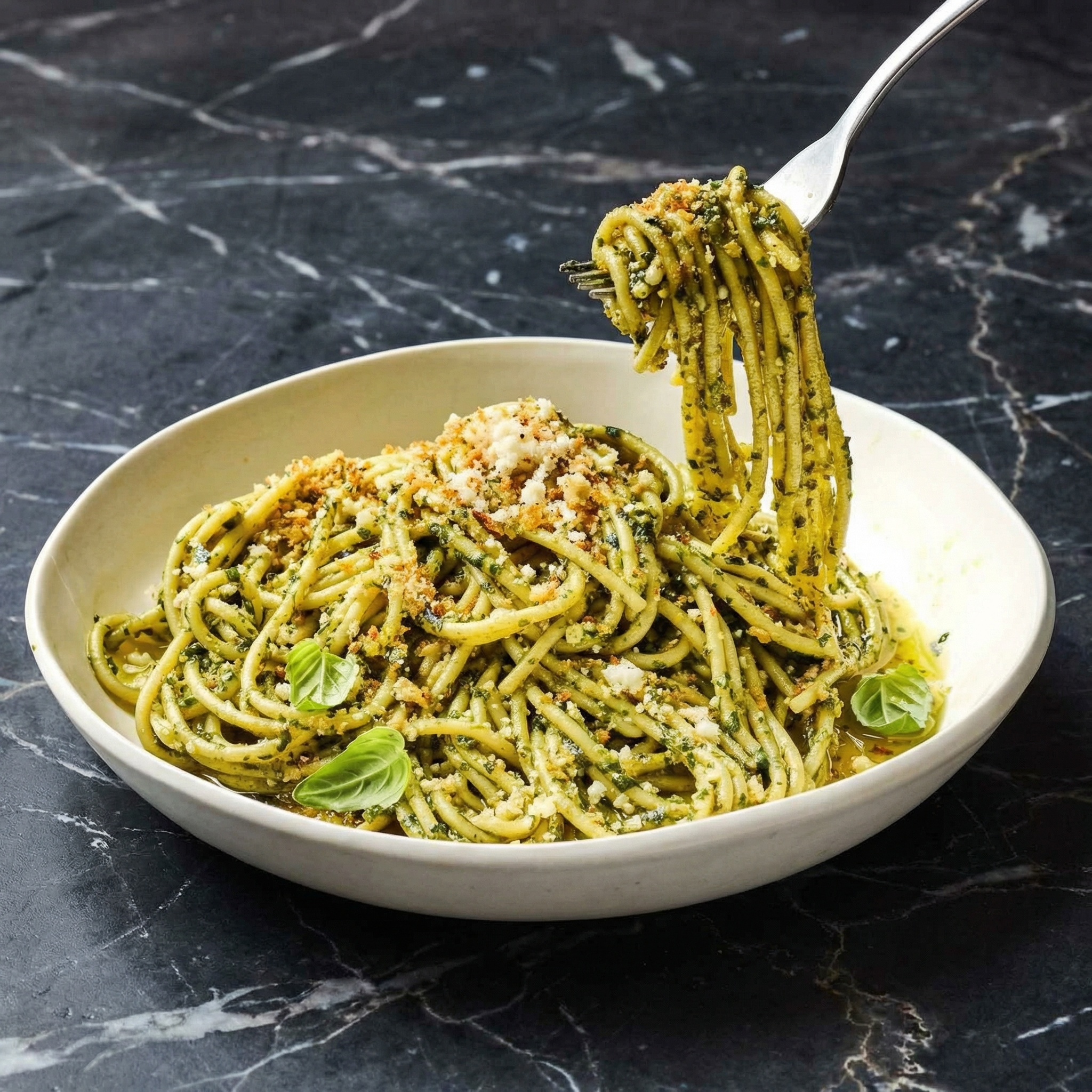
When you need a dish that feels elegant yet comes together effortlessly, Pesto Pasta is the answer. Vibrant green basil pesto tossed with perfectly cooked pasta creates a meal that’s fresh, aromatic, and deeply satisfying.
With its bold herb flavor, nutty richness, and silky texture, pesto pasta proves that simple ingredients—when treated well—can create something extraordinary.
Whether you’re cooking a quick weeknight dinner, prepping lunch for the week, or serving guests, this step-by-step guide will show you how to make homemade pesto and turn it into a perfectly balanced pasta dish.
Why You’ll Love This Pesto Pasta
- Fresh, vibrant basil flavor
- Creamy texture without heavy cream
- Quick and easy—ready in about 30 minutes
- Customizable with vegetables or protein
- Delicious warm or cold
The secret to amazing pesto pasta lies in quality ingredients and proper technique—especially how you combine the sauce with the pasta.
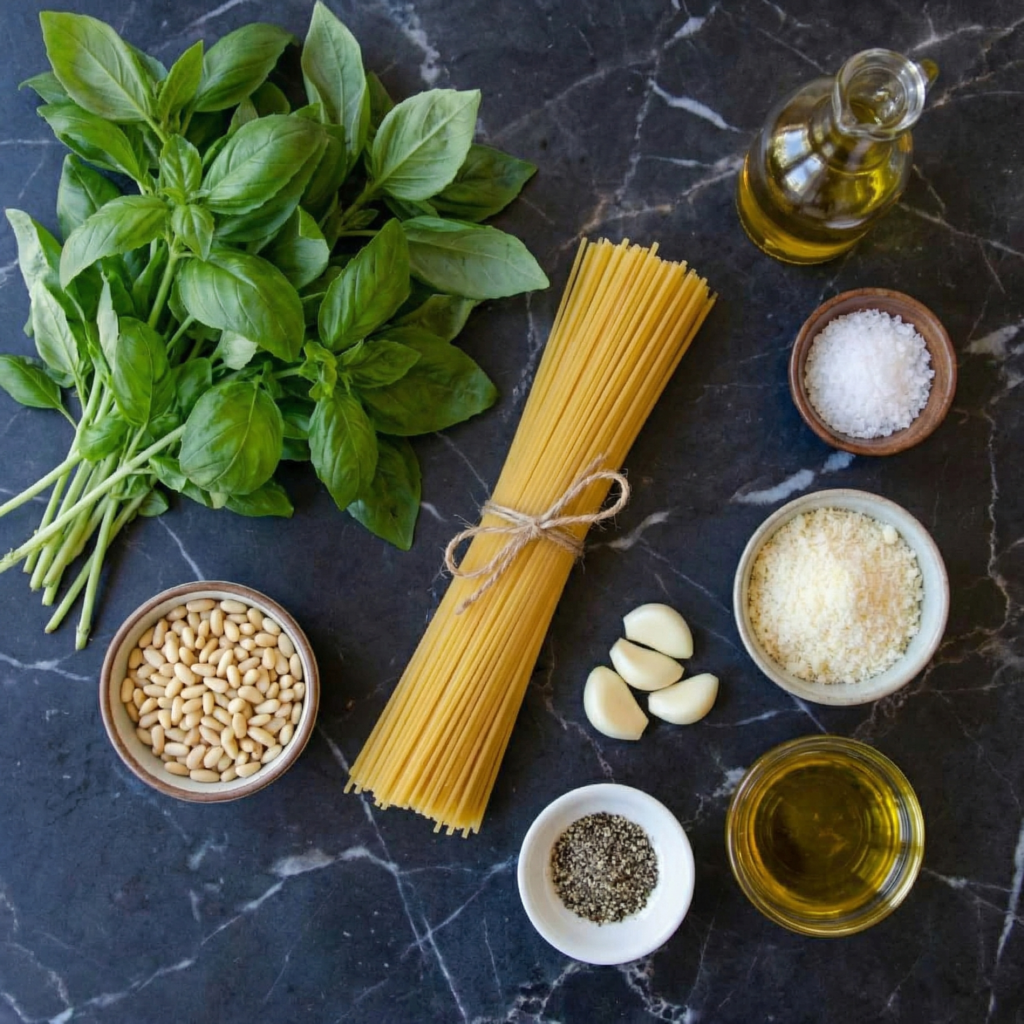
Ingredients You’ll Need
Toast the Nuts
Place pine nuts in a dry skillet over medium heat. Toast for 3–4 minutes, stirring frequently, until lightly golden and fragrant.
Be careful not to burn them—nuts can go from golden to burnt quickly. Toasting enhances their natural sweetness and deepens the pesto’s flavor.
Let them cool before blending.
Make the Pesto
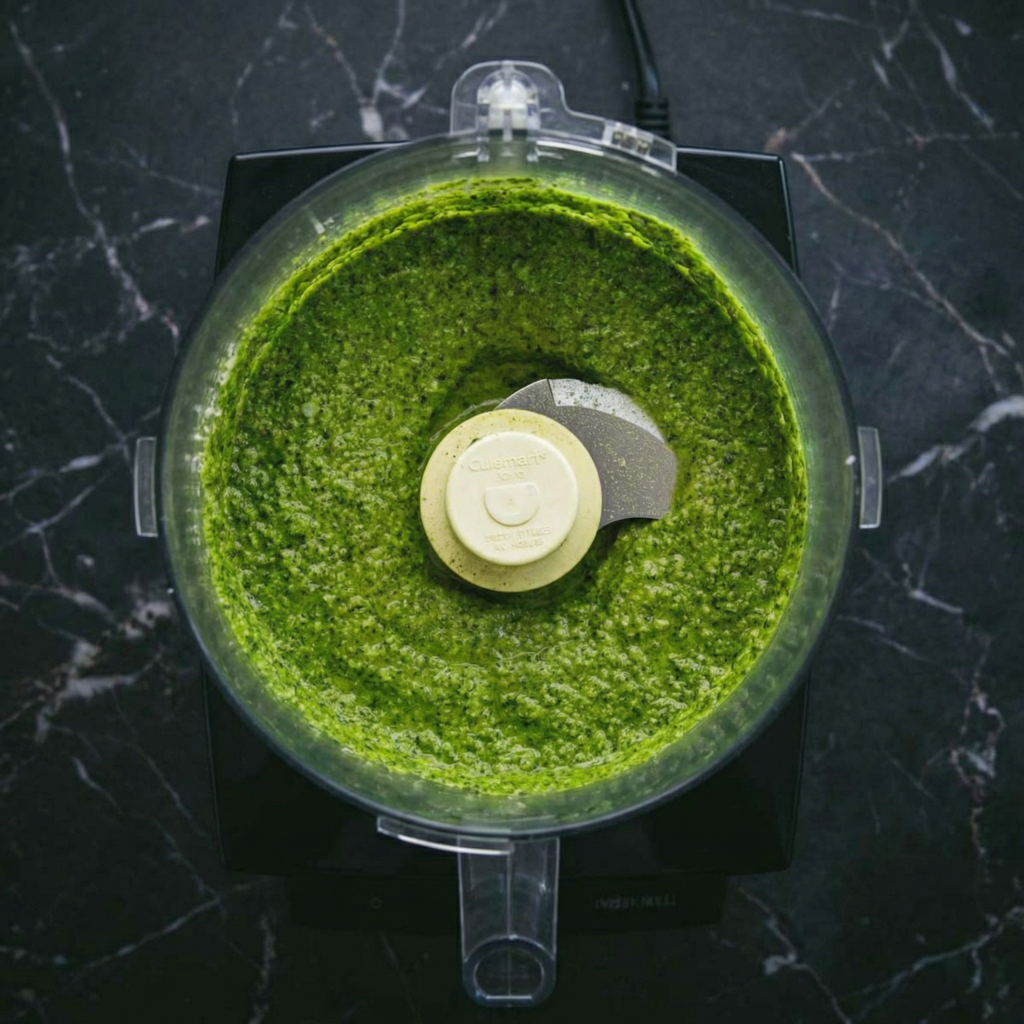
In a food processor, combine basil leaves, garlic, toasted nuts, and Parmesan cheese. Pulse several times until finely chopped.
With the processor running, slowly drizzle in the olive oil until the mixture becomes smooth and creamy.
Add salt, pepper, and a small squeeze of lemon juice if desired. Blend again briefly to combine.
Taste and adjust seasoning as needed. The pesto should be vibrant, slightly salty, nutty, and aromatic.
Boil the Pasta
Bring a large pot of water to a rolling boil. Add a generous amount of salt—it should taste like the sea.
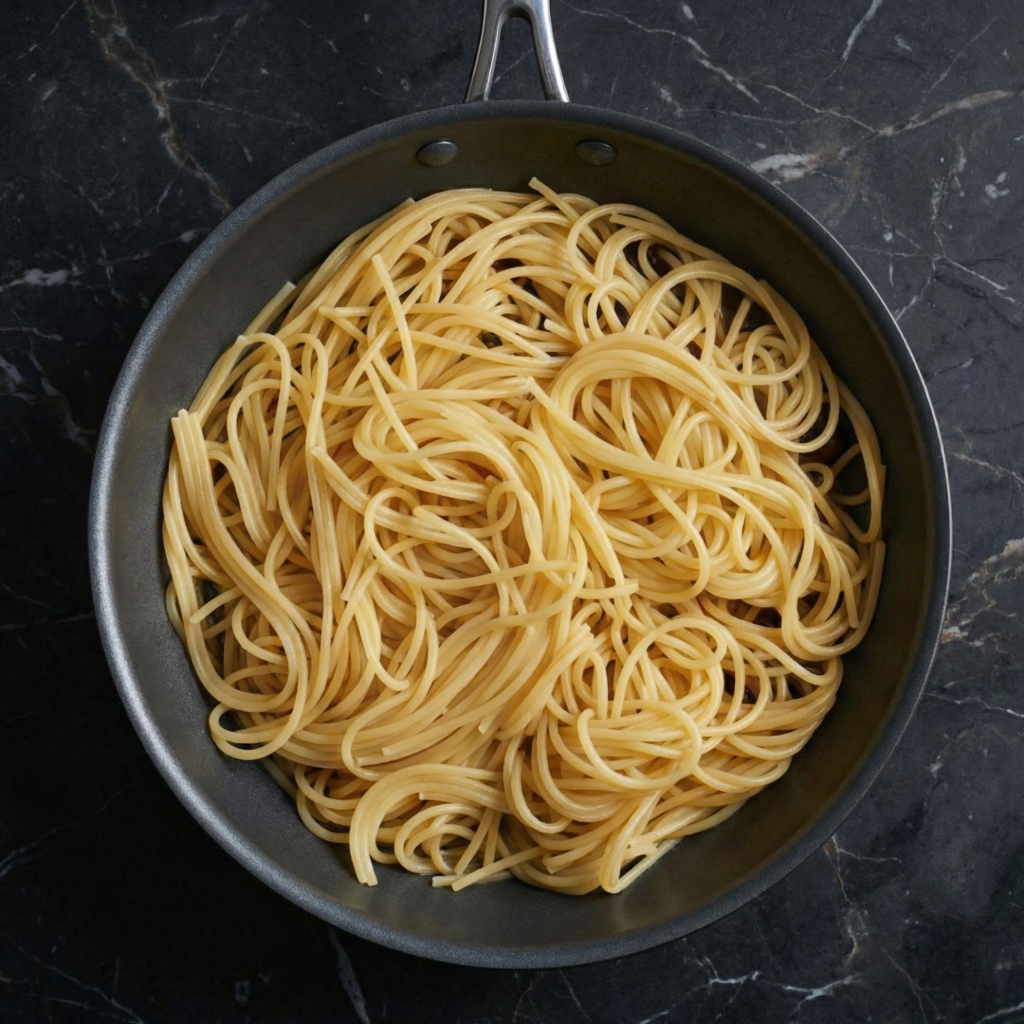
Add your pasta and cook according to package directions until al dente.
Before draining, reserve about ½ cup of the pasta cooking water. This starchy water is essential for creating a silky sauce.
Drain the pasta but do not rinse it.
Combine Pasta and Pesto
Return the hot pasta to the pot or place it in a large mixing bowl.
Add a few spoonfuls of pesto and toss gently to coat. Gradually add more pesto until the pasta is evenly covered.
If the sauce seems thick, add a splash of reserved pasta water, one tablespoon at a time. The starch in the water helps emulsify the sauce, making it silky and cling beautifully to the pasta.
This step transforms the pesto from a paste into a smooth, glossy coating.
Add Optional Ingredients
Now is the time to personalize your dish.
- Toss in halved cherry tomatoes for sweetness and color.
- Add grilled chicken or shrimp for protein.
- Stir in fresh mozzarella pearls for creaminess.
- Mix in roasted zucchini, asparagus, or bell peppers for extra texture.
Keep additions balanced so the pesto remains the star of the dish.
Plate and Garnish
Transfer the pasta to serving bowls.
Sprinkle with extra Parmesan cheese, freshly cracked black pepper, and a few torn basil leaves for presentation.
A light drizzle of olive oil on top enhances the glossy finish and deepens flavor.
Serve immediately while warm.
Flavor and Texture Highlights
- Bright basil aroma with fresh herbal notes
- Nutty richness from toasted pine nuts
- Salty depth from Parmesan
- Silky coating that clings to every strand of pasta
- Balanced freshness that feels light yet satisfying
Each bite delivers freshness and richness at the same time—comforting without feeling heavy.
Tips for Perfect Pesto Pasta
- Use fresh, vibrant basil—avoid wilted or darkened leaves.
- Blend pesto just until smooth; over-blending can dull the color.
- Add pesto off the heat to preserve its bright green hue.
- Always reserve pasta water—it’s the key to silky sauce.
- Taste before adding extra salt, since Parmesan is naturally salty.
Optional Variations
- Creamy Pesto Pasta: Stir in 2–3 tablespoons of ricotta or a splash of cream.
- Vegan Version: Substitute nutritional yeast for Parmesan and use nuts freely.
- Spicy Twist: Add red pepper flakes to the pesto.
- Lemon Pesto Pasta: Add extra lemon zest and juice for brightness.
- Cold Pesto Pasta Salad: Let cool and toss with vegetables for a refreshing side dish.
Storage and Meal Prep
- Store leftovers in an airtight container in the refrigerator for up to 3 days.
- To refresh, add a splash of warm water or olive oil before reheating.
- Pesto alone can be stored in the fridge for up to 5 days—cover with a thin layer of olive oil to prevent browning.
- Freeze pesto in ice cube trays for convenient portions.
Why This Recipe Works
Pesto pasta succeeds because of balance. Fresh basil provides brightness, nuts add body, Parmesan contributes savory depth, and olive oil creates silkiness. Tossing the pesto with hot pasta and starchy water allows everything to emulsify into a smooth, cohesive sauce.
The result is a dish that tastes fresh, vibrant, and deeply flavorful while requiring minimal cooking time.
With its bright green color, bold basil flavor, and silky texture, Pesto Pasta is proof that simple ingredients can create extraordinary results.
Whether served as a main dish, side, or chilled pasta salad, it’s a recipe that’s easy to love and even easier to make again and again. One forkful is all it takes to appreciate the magic of fresh herbs, good olive oil, and perfectly cooked pasta coming together in harmony.