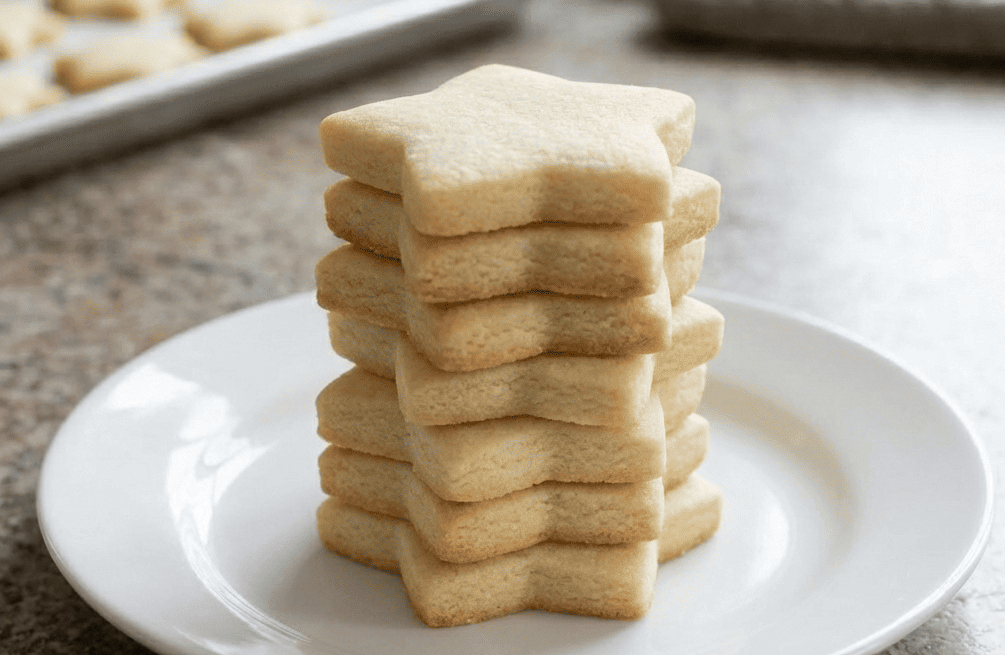
In a world of complex desserts, the humble shortbread cookie stands as a testament to the power of simplicity. With a foundation of just three core ingredients—butter, sugar, and flour—these cookies achieve a texture that is simultaneously tender, crumbly, and irresistibly rich. Originating from Scotland, true shortbread is not overly sweet; its magic lies in the pure, toasted flavor of high-quality butter that shines through in every bite.
This recipe is incredibly forgiving and versatile: press it into a pan and score it for traditional “petticoat tails,” roll it out for cut-out shapes, or form it into logs for slice-and-bake rounds. Whether you’re leaving them plain, dusting them with sugar, or dipping them in dark chocolate, these cookies are an elegant, foolproof treat that feels both timeless and special.
The Science of Shortbread: Why Less is More
The exquisite texture of shortbread is a direct result of its stark ingredient list and specific technique. The high fat content (typically a 1:2:3 ratio by weight of sugar:butter:flour) is what defines it. The butter, when creamed with sugar and then worked with flour, coats the gluten proteins in the flour, inhibiting their development. This results in a very “short” (i.e., tender and crumbly) dough, as opposed to a chewy one.
Two critical steps ensure perfection: thorough creaming of room-temperature butter and sugar to incorporate tiny air bubbles for lift, and a gentle hand when adding the flour to avoid overworking the dough, which would make it tough. Baking at a low temperature (300°F-325°F) is also essential—it dries the cookies out slowly, yielding a firm snap that melts delicately on the tongue without browning excessively. It’s a perfect lesson in how restraint and precision create culinary magic.
Instructions
Cream Butter & Sugar
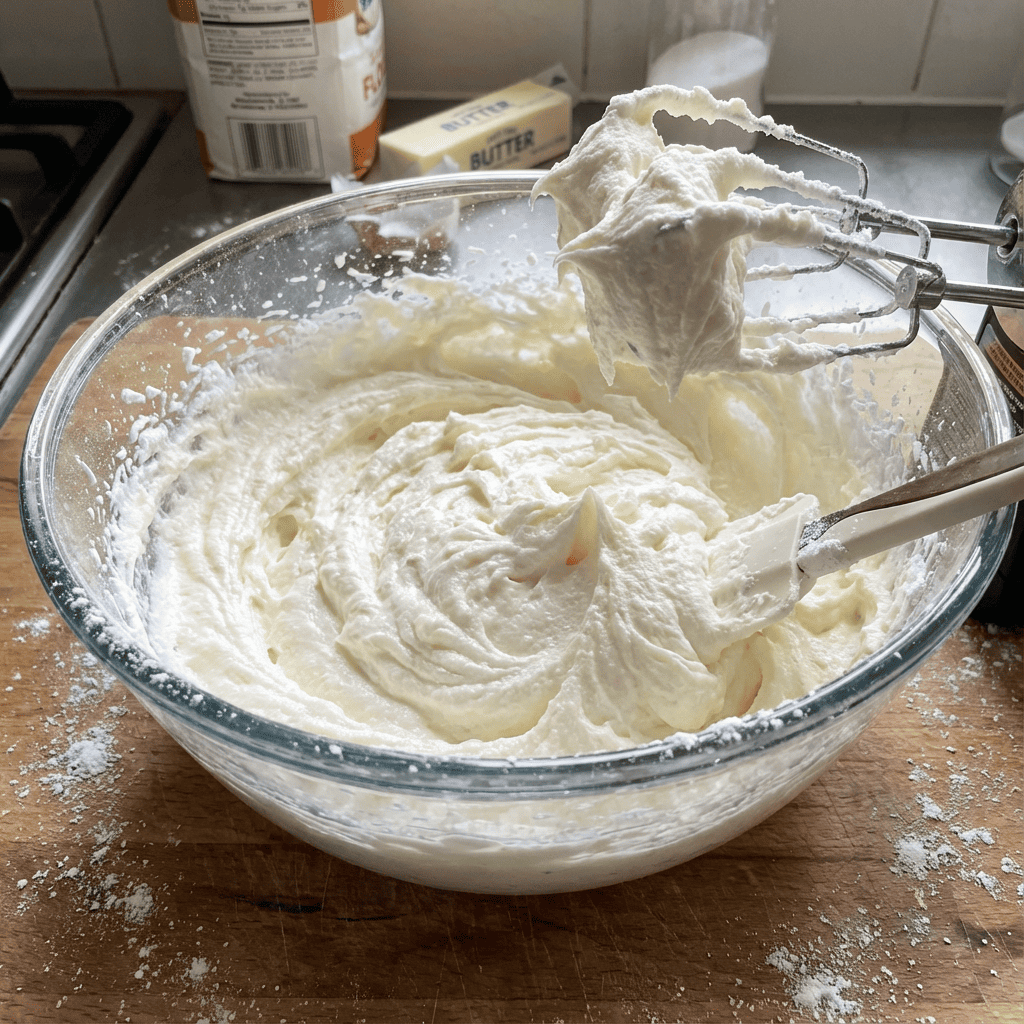
In a large bowl, beat the softened butter and powdered sugar together with an electric mixer on medium speed for 3-4 minutes. The mixture should become very pale, almost white, and extremely fluffy. This step incorporates air and is key to the texture.
Incorporate Flour
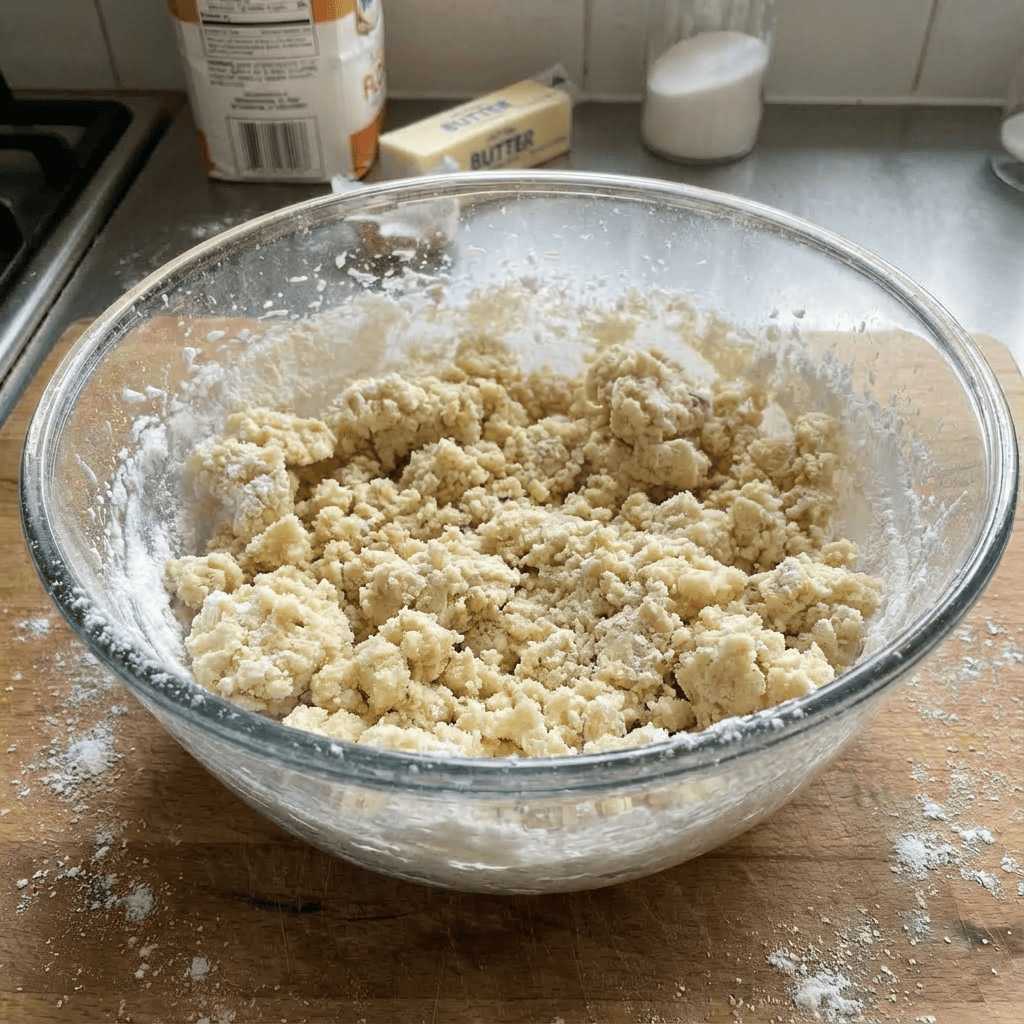
Add the flour (and salt, if using) to the butter mixture. Mix on low speed just until the dough begins to clump together and pull away from the sides of the bowl. It will look crumbly at first but will become cohesive. Do not overmix.
Shape the Dough
For Pressed/Scored Shortbread: Press dough evenly into an ungreased 9-inch round or square pan. Prick all over with a fork. Score into wedges or bars with a sharp knife.
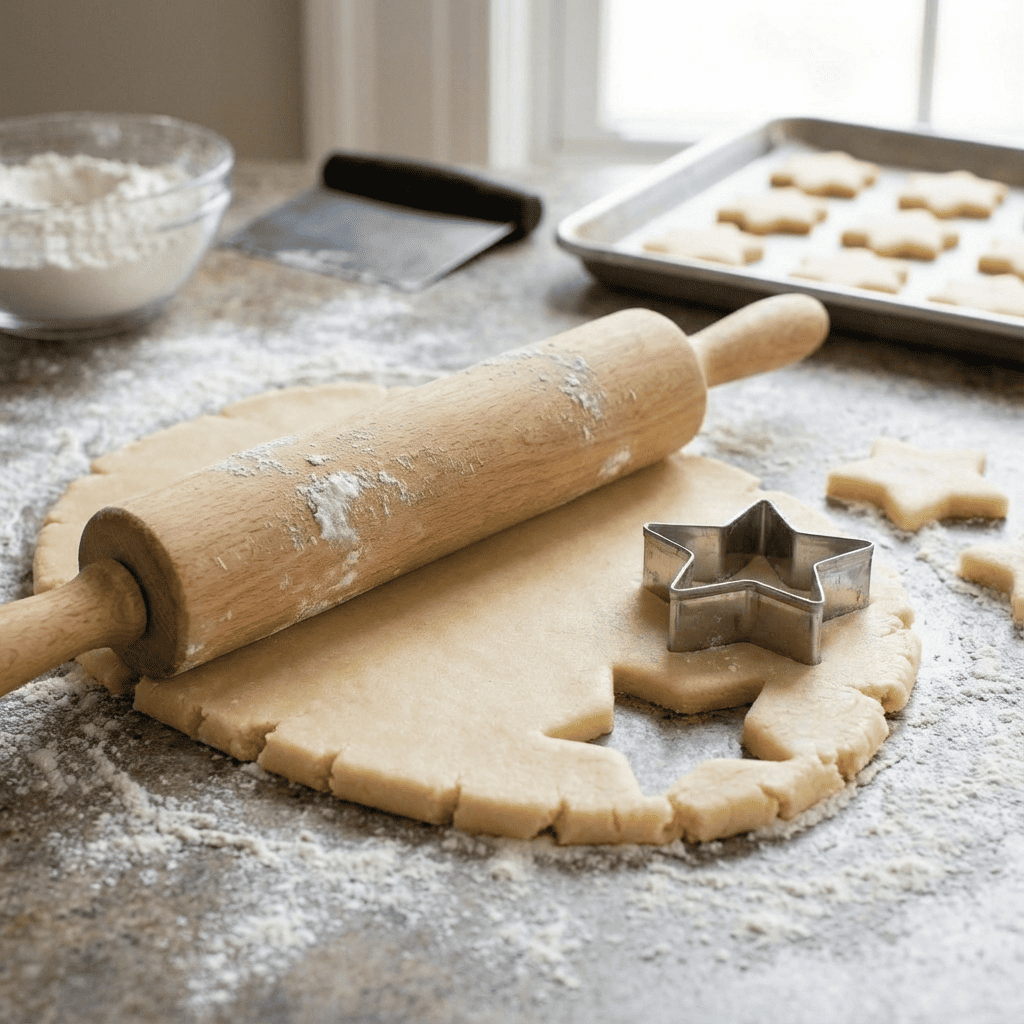
For Rolled & Cut Cookies: Form dough into a disc, wrap in plastic, and chill for 30 minutes. Roll out on a lightly floured surface to ¼-½ inch thick. Cut into shapes.
For Slice-and-Bake: Form dough into a log, wrap, and chill until firm. Slice into ¼-inch rounds.
Chill (If Shaped)
If you’ve made cut-outs or slices, place them on a parchment-lined baking sheet and chill for 20 minutes. This prevents spreading.
Bake
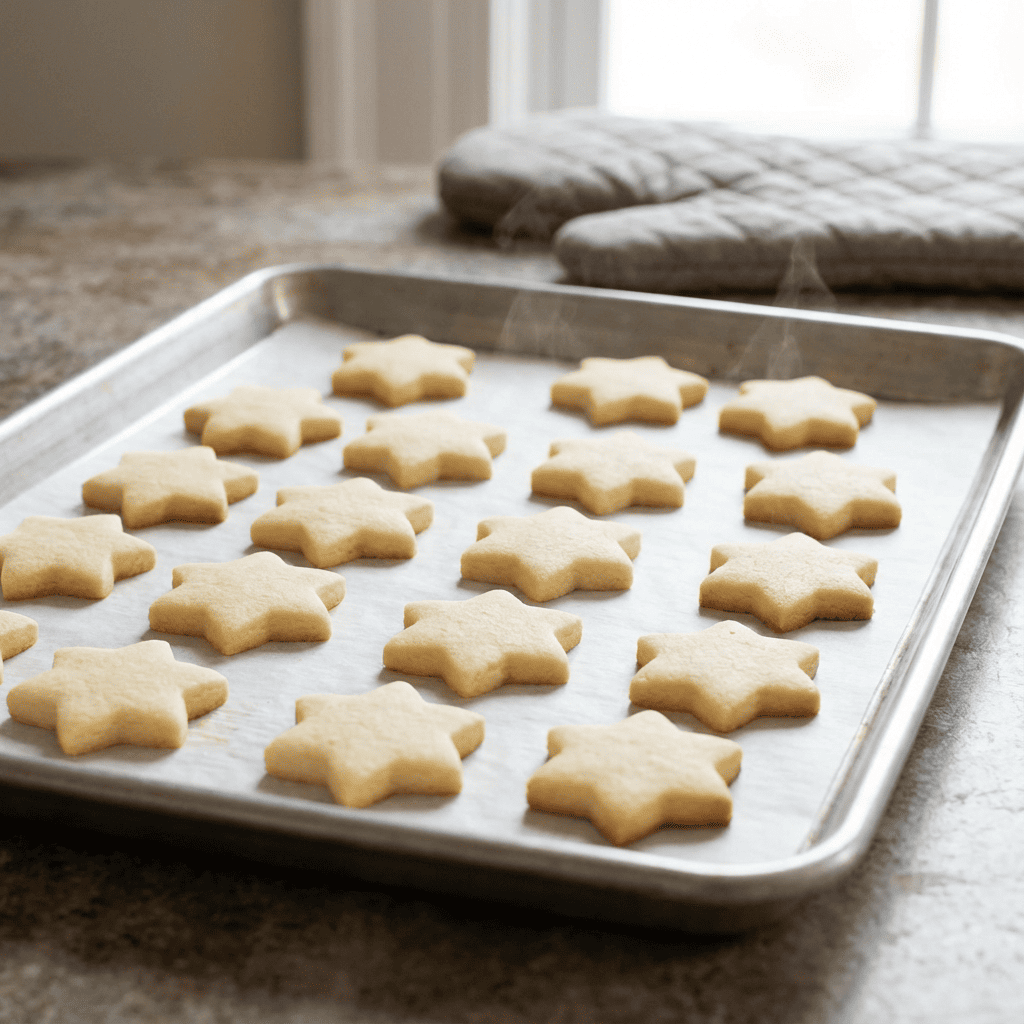
Preheat oven to 325°F (160°C). If using a pan, bake for 30-40 minutes. For individual cookies, bake for 15-20 minutes. Bake until the cookies are just beginning to turn golden around the very edges, but the tops remain pale. They should feel firm to the touch.
Finish & Cool
If you scored a large shortbread, re-cut the scored lines while still warm. For cookies, you can sprinkle with coarse sugar straight out of the oven. Let set on parchment paper.
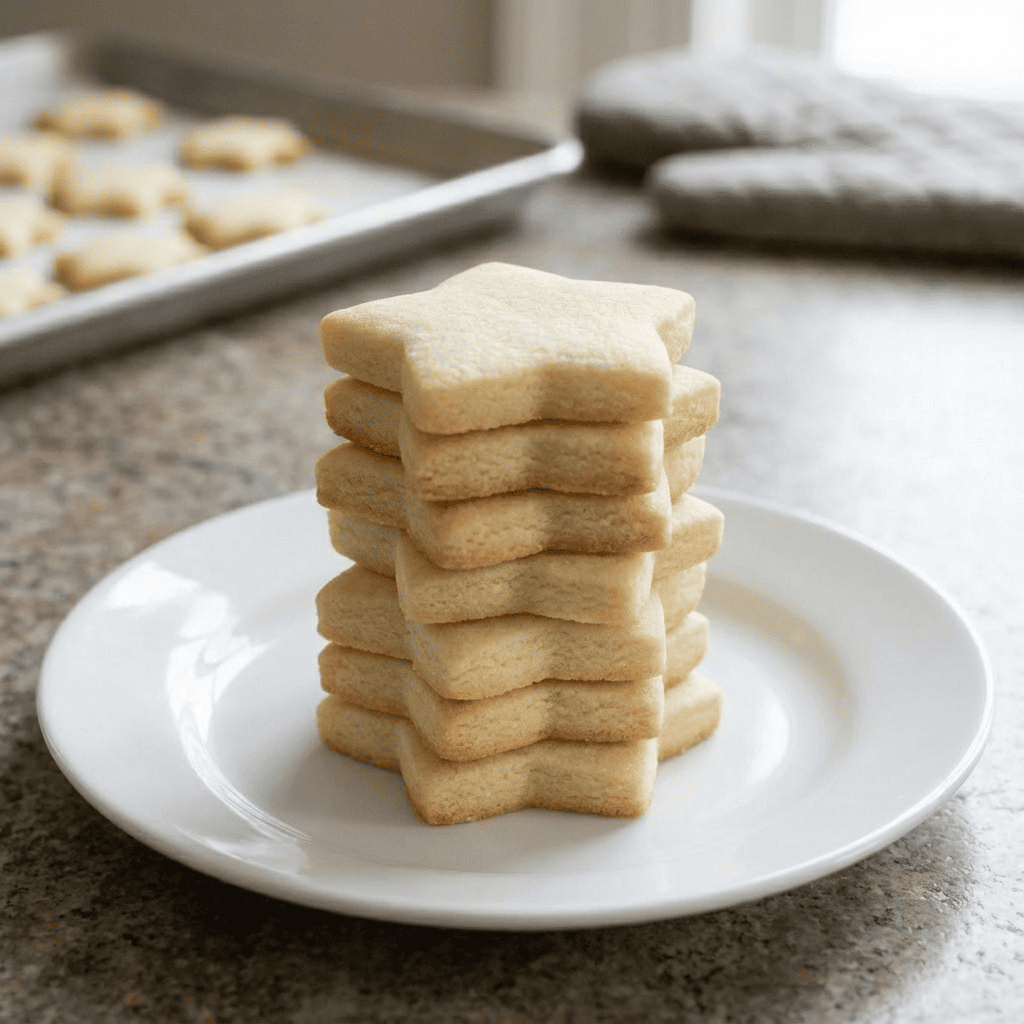
Optional Dip
Once completely cool, you can dip one end of each cookie in melted chocolate. Let set on parchment paper.
Store
Keep in an airtight container at room temperature for up to 2 weeks. They also freeze beautifully for up to 3 months.
Pro-Tips for Foolproof, Masterful Shortbread
- The Right Sugar: Powdered sugar (icing sugar) is traditional and yields the finest, most tender crumb. Superfine sugar is an excellent alternative. Avoid standard granulated sugar for the dough, as it can create a slightly gritty texture.
- Weigh Your Flour: For absolute precision, use a kitchen scale. If measuring by volume, fluff the flour, spoon it into the cup, and level it off to avoid a dense cookie.
- Prick & Score: Pricking the dough with a fork prevents air bubbles, and scoring before baking ensures clean breaks.
- Low & Slow Baking: The low oven temperature is what gives shortbread its firm, dry texture without coloring. Watch the edges, not the top.
- Flavor Twists: Add the zest of one lemon or orange to the butter-sugar mixture. Mix in ½ cup finely chopped toasted nuts or ⅓ cup mini chocolate chips after adding the flour. Replace ¼ cup of flour with rice flour for an authentically sandy, Scottish texture.
This Classic Shortbread recipe is a foundational skill that yields endless delicious rewards.