Introduction: The Ultimate Comfort Food Experience
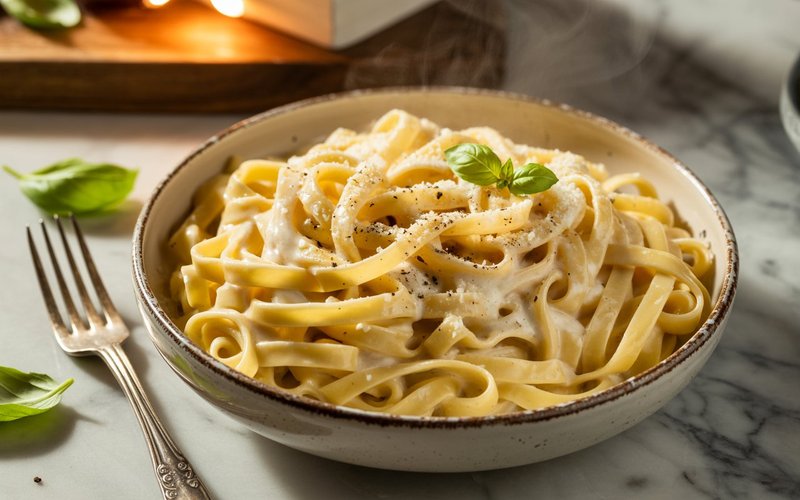
Picture this: it’s Friday evening, you’ve had a long week, and you’re craving something truly indulgent. You could order takeout, but imagine instead walking into your kitchen and creating the most luxurious, creamy, restaurant-quality fettuccine alfredo from scratch. The kind with silky fresh pasta that melts on your tongue and a sauce so rich and perfectly balanced that every bite feels like a warm hug. This isn’t just another pasta recipe – it’s your ticket to mastering one of the most beloved comfort foods in the world. With just a few quality ingredients and some tried-and-true techniques, you’ll create a dish that will have your family and friends convinced you’ve been secretly attending culinary school.
Fresh fettuccine with authentic alfredo sauce represents the perfect marriage of simplicity and sophistication. Unlike the heavy, flour-thickened versions found in many restaurants, true alfredo is an emulsion of butter, cheese, and pasta water that creates a sauce of unparalleled smoothness and flavor. When paired with fresh, tender fettuccine that you’ve made yourself, the result is nothing short of magical. So roll up your sleeves, and let’s dive into creating this masterpiece together.
Ingredients: Quality Makes the Difference
For the Fresh Fettuccine:
• 400g (3⅓ cups) 00 flour or all-purpose flour
• 4 large eggs, room temperature
• 1 tablespoon extra virgin olive oil
• 1 teaspoon fine sea salt
• Semolina flour for dusting
For the Alfredo Sauce:
• 8 tablespoons (113g) unsalted European-style butter
• 1½ cups (150g) freshly grated Parmigiano-Reggiano cheese
• ½ cup (50g) freshly grated Pecorino Romano cheese
• Freshly cracked black pepper to taste
• 1 cup reserved pasta cooking water
• Fresh parsley for garnish (optional)
Pro Ingredient Tips: Use the best quality ingredients you can find. Farm-fresh eggs with deep orange yolks create more flavorful pasta, while freshly grated cheese melts infinitely better than pre-grated versions. European-style butter has higher fat content, creating a richer sauce. If you can’t find 00 flour, all-purpose flour works perfectly for beginners.
Equipment Needed
• Large wooden cutting board or clean work surface
• Pasta machine or large rolling pin
• Sharp knife or pasta cutter
• Large pot for boiling water
• Large sauté pan or skillet
• Microplane grater for cheese
• Tongs for pasta handling
• Clean kitchen towels
• Plastic wrap
Timing: Total time is about 2 hours, including 30 minutes of dough resting time. Active cooking time is approximately 45 minutes. This recipe serves 4-6 people as a main course or 6-8 as a starter.
Step 1: Making the Fresh Fettuccine Dough
Create a well with your flour on a clean work surface, making sure the walls are high enough to contain the eggs. Crack the eggs into the center of the well and add the olive oil and salt. Using a fork, begin beating the eggs gently, gradually incorporating small amounts of flour from the inner walls of the well. Continue this process until the mixture becomes too thick to stir with a fork.
Switch to using your hands and begin kneading the dough, incorporating the remaining flour gradually. Knead vigorously for 8-10 minutes until the dough becomes smooth, elastic, and slightly tacky but not sticky. The surface should be silky and the dough should spring back when poked gently. If the dough feels too dry, add water one teaspoon at a time. If too wet, add flour sparingly. Wrap the kneaded dough tightly in plastic wrap and let rest at room temperature for 30 minutes minimum. This resting period is crucial for gluten relaxation and easy rolling.
Step 2: Rolling and Cutting the Pasta
Divide the rested dough into 6 equal portions, keeping unused portions wrapped to prevent drying. Working with one portion at a time, flatten the dough into a rough rectangle. If using a pasta machine, start at the widest setting and pass the dough through 2-3 times, folding it in half between passes. Gradually move to thinner settings, passing the dough through each setting once until you reach setting 6 or 7 for fettuccine thickness.
If rolling by hand, use a large rolling pin on a lightly floured surface, working from the center outward in all directions. Roll until the dough is about 1/8-inch thick and translucent enough to see your hand through it. Once rolled, let the pasta sheet dry for 5-10 minutes until the surface feels slightly tacky but not sticky. Cut the pasta using the fettuccine attachment on your machine, or fold the sheet loosely and cut into ¼-inch strips with a sharp knife. Immediately dust the cut pasta with semolina flour and form loose nests. Repeat with remaining dough portions.
Step 3: Preparing the Alfredo Sauce Base
Grate your cheeses fresh and have them ready in separate bowls – this sauce comes together quickly and there’s no time to grate cheese once you start. Cut the butter into small cubes and let it come to room temperature for easier melting. Have your pasta cooking water ready and bring a large pot of water to a rolling boil. Add 2 tablespoons of salt to the water – it should taste like the sea.
In a large sauté pan or skillet (large enough to accommodate all the pasta), melt 2 tablespoons of butter over medium-low heat. This will be your sauce base. Don’t let the butter brown – you want a gentle melt that maintains the butter’s fresh, sweet flavor. Once melted, remove from heat and set aside. Having everything prepared before you start cooking the pasta is essential because timing is everything with alfredo sauce.
Step 4: Cooking the Pasta and Creating the Sauce
Add the fresh fettuccine to the boiling salted water and stir gently to prevent sticking. Fresh pasta cooks quickly – start testing after 2 minutes. It should be tender but still have a slight bite (al dente). Reserve 1 cup of the starchy pasta cooking water before draining. Do not rinse the pasta.
While the pasta is cooking, return your sauté pan with the melted butter to medium-low heat. Add ¼ cup of the hot pasta cooking water to the pan and swirl to create an emulsion. When the pasta is ready, use tongs to transfer it directly from the pot to the sauté pan (a little pasta water clinging to the noodles is good). Add the remaining cubes of butter and begin tossing the pasta vigorously with tongs, adding the Parmigiano-Reggiano cheese gradually while tossing. The cheese should melt smoothly into a creamy sauce that coats each strand of pasta. Add pasta water as needed to achieve a silky consistency – the sauce should coat the pasta without being too thick or too thin.
Step 5: Finishing and Serving
Remove the pan from heat and add half of the Pecorino Romano cheese, tossing quickly to incorporate. The residual heat will melt the cheese without making it stringy. Add freshly cracked black pepper to taste – be generous, as the pepper adds essential flavor balance to the rich sauce. Taste and adjust seasoning, adding more cheese if desired. The sauce should be glossy and coat each strand of pasta perfectly.
Serve immediately in warmed bowls, topping each portion with the remaining Pecorino Romano and extra black pepper. Garnish with fresh parsley if desired, though traditional alfredo is beautifully simple without herbs. Provide additional grated cheese at the table for those who want extra richness. Remember, alfredo doesn’t wait – serve immediately while the sauce is perfectly emulsified and the pasta is at optimal temperature.
Pro Tips for Perfect Results
Temperature Control: Keep your heat at medium-low throughout the sauce-making process. Too much heat will cause the sauce to break and become greasy instead of smooth and creamy. The pasta’s residual heat and the warm pan provide enough heat to melt the cheese properly.
Pasta Water Magic: The starchy pasta cooking water is crucial for creating the proper sauce consistency. Add it gradually – you might not need all of it, but having extra ensures you can adjust the texture perfectly. The starch helps bind the butter and cheese into a smooth emulsion.
Cheese Quality Matters: Always buy block cheese and grate it yourself. Pre-grated cheese contains anti-caking agents that prevent proper melting and can make your sauce grainy. Room temperature cheese melts more easily and creates a smoother sauce.
Timing is Everything: Have all your ingredients ready and your family at the table before you start cooking the pasta. Alfredo sauce is best when served immediately – it doesn’t hold well and can separate if it sits too long.
Storage and Make-Ahead Options
Fresh fettuccine can be made up to 24 hours in advance and stored in the refrigerator. Dust the pasta nests generously with semolina flour, place on parchment-lined baking sheets, cover with plastic wrap, and refrigerate. For longer storage, freeze the pasta nests on baking sheets until solid, then transfer to freezer bags for up to 3 months. Cook frozen pasta directly from frozen, adding just an extra minute to the cooking time.
The alfredo sauce, however, is best made fresh and served immediately. While you can store leftover alfredo in the refrigerator for up to 2 days, reheating requires careful attention and additional pasta water to restore the proper consistency. Gently reheat in a saucepan over low heat, whisking in pasta water or cream as needed to restore smoothness.
Conclusion: Your New Signature Dish
Congratulations! You’ve just mastered one of the most impressive yet surprisingly simple dishes in Italian cuisine. This homemade fettuccine alfredo showcases how a few quality ingredients, when treated with respect and proper technique, can create something truly extraordinary. The satisfaction of creating fresh pasta from scratch and watching simple butter and cheese transform into a luxurious sauce is unmatched in the culinary world.
Now that you’ve conquered this classic, don’t stop here! Experiment with additions like grilled chicken, sautéed mushrooms, or fresh herbs. Try making different pasta shapes with the same dough, or explore flavored variations. Most importantly, share this dish with people you care about – good food is always better when shared. So light some candles, open a bottle of wine, and enjoy your homemade masterpiece. Buon appetito!