The One-Pot Pasta Trick Italians Secretly Use (No Draining Required)
The Pasta Revelation: Ditch the Strainer!
Picture this: It's a busy weeknight, you're craving a comforting bowl of pasta, but the thought of boiling water, carefully timing the pasta, and then wrestling with a hot, heavy pot to drain it feels…exhausting. What if I told you there's a better way? A way that's not only faster but also infuses your pasta with incredible flavor? It's time to ditch the strainer and embrace the magic of one-pot pasta. This isn't just a shortcut; it's a flavor-boosting technique that Italians have been quietly perfecting for years.
Forget everything you think you know about cooking pasta. We're about to embark on a culinary adventure that will transform your weeknight dinners. This method is perfect for creating quick, easy recipes that are packed with flavor and require minimal cleanup. Get ready to discover the secret to perfectly cooked pasta, infused with delicious sauce, all in one pot. It's a game-changer, trust me.
Why One-Pot Pasta is a Weeknight Winner
So, what makes one-pot pasta so special? The secret lies in the starch. When you cook pasta in a traditional pot of boiling water, much of the starch is drained away. With the one-pot method, that starchy water becomes part of the sauce, creating a creamy, emulsified texture that clings beautifully to the pasta. This means every bite is bursting with flavor, and you don't need to add extra cream or butter to achieve that luscious consistency.
Beyond the incredible flavor and texture, one-pot pasta is a lifesaver for busy weeknights. It significantly reduces cooking time and cleanup, making it a perfect option for 30 minute meals. Imagine throwing all your ingredients into one pot, simmering until the pasta is perfectly cooked, and then serving a delicious, satisfying meal with minimal effort. That's the power of one-pot pasta.
The Basic Technique: Mastering the One-Pot Method
The beauty of one-pot pasta is its simplicity. Start by choosing your pasta shape. Shorter shapes like penne, rotini, or farfalle work best, as they cook more evenly in the sauce. Next, gather your ingredients: pasta, vegetables, protein (like chicken or sausage), herbs, spices, and enough liquid (broth, water, or a combination) to cover the pasta. The ratio is generally about 4 cups of liquid for every pound of pasta, but this can vary slightly depending on the ingredients.
Now, the magic happens. Combine all your ingredients in a large pot or Dutch oven. Bring the mixture to a boil, then reduce the heat to a simmer, cover, and cook until the pasta is tender and the liquid is absorbed, stirring occasionally to prevent sticking. This usually takes about 15-20 minutes. Once the pasta is cooked, remove the pot from the heat, stir in any finishing touches like cheese or fresh herbs, and serve immediately. It's that easy!
Flavor Boosters: Taking Your One-Pot Pasta to the Next Level
While the basic one-pot pasta method is delicious on its own, there are countless ways to customize it and elevate the flavor. Consider adding sautéed onions, garlic, and bell peppers to the pot before adding the other ingredients. This will create a flavorful base for your sauce. Don't be afraid to experiment with different herbs and spices, such as oregano, basil, thyme, red pepper flakes, or smoked paprika. A squeeze of lemon juice or a splash of balsamic vinegar can also add brightness and depth of flavor.
Another great way to boost the flavor is to use high-quality ingredients. Opt for fresh herbs, flavorful broth, and good-quality cheese. And don't forget the importance of seasoning! Taste the pasta as it cooks and adjust the salt and pepper as needed. Remember, the one-pot method allows the flavors to meld together beautifully, so every ingredient plays a crucial role in the final result.
One-Pot Chicken Alfredo: A Creamy Dream
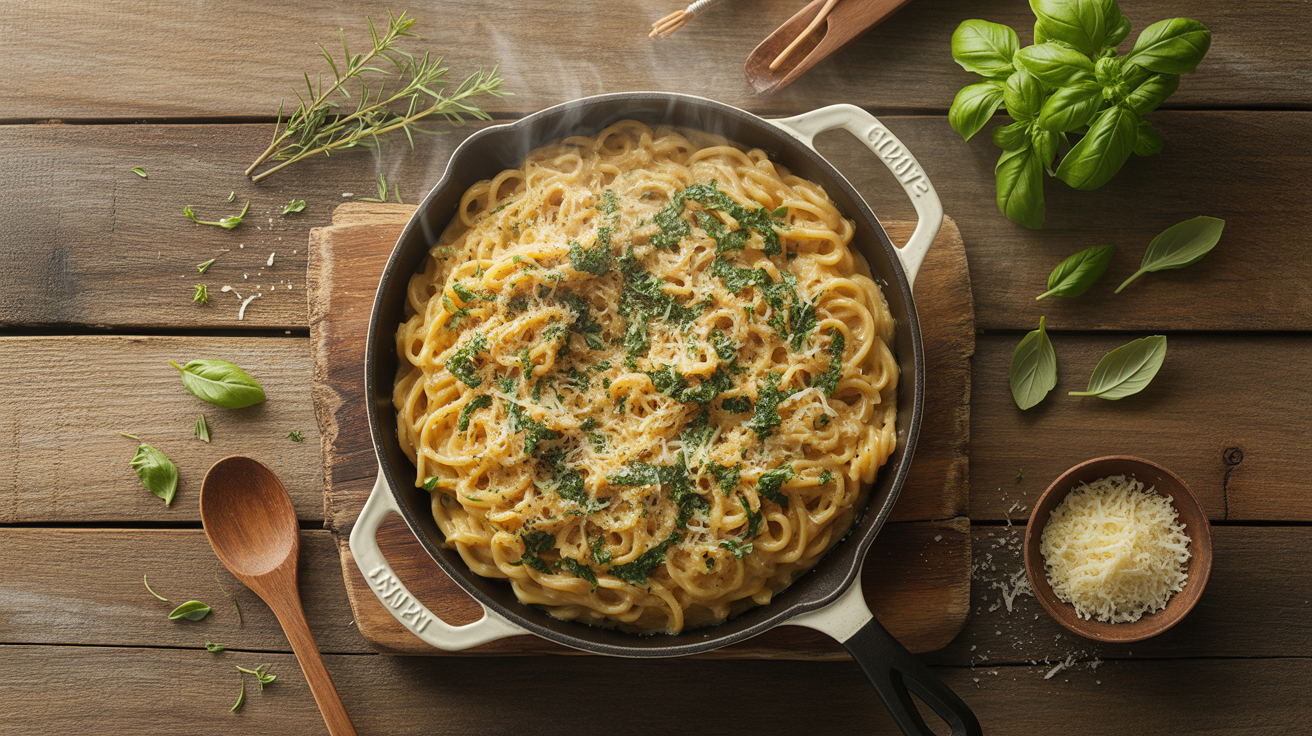
Let's put this technique into practice with a classic: One-Pot Chicken Alfredo. This is one of those easy recipes that feels indulgent but is surprisingly simple to make. Start by dicing some chicken breast into bite-sized pieces and sautéing it in the pot with a little olive oil until lightly browned. Add minced garlic and cook for another minute until fragrant.
Next, add your pasta (penne or fettuccine work well), chicken broth, heavy cream, and a pinch of salt and pepper. Bring the mixture to a boil, then reduce the heat to a simmer, cover, and cook until the pasta is tender and the liquid is absorbed, about 15-20 minutes. Stir in grated Parmesan cheese and fresh parsley before serving. The result is a creamy, comforting bowl of pasta that's perfect for a weeknight dinner. This is a fantastic example of how one-pot cooking can deliver restaurant-quality results in under 30 minutes.
One-Pot Tomato Basil Pasta: A Vegetarian Delight
For a vegetarian option, try One-Pot Tomato Basil Pasta. This recipe is packed with fresh flavors and is incredibly easy to make. Start by adding diced tomatoes (canned or fresh), vegetable broth, pasta (rotini or penne work well), minced garlic, dried oregano, and a pinch of salt and pepper to the pot. Bring the mixture to a boil, then reduce the heat to a simmer, cover, and cook until the pasta is tender and the liquid is absorbed, about 15-20 minutes.
Once the pasta is cooked, stir in fresh basil leaves and a drizzle of olive oil. You can also add a sprinkle of Parmesan cheese or a dollop of ricotta cheese for extra richness. This recipe is a celebration of simple, fresh ingredients and is a perfect example of how one-pot pasta can be both healthy and delicious. It's a great option for a quick and easy lunch or dinner.
Troubleshooting Tips: Avoiding Common One-Pot Pasta Pitfalls
While one-pot pasta is generally foolproof, there are a few common pitfalls to watch out for. One of the most common issues is the pasta sticking to the bottom of the pot. To prevent this, make sure to stir the pasta occasionally during cooking. Also, ensure that you have enough liquid in the pot to cover the pasta completely. If the pasta starts to dry out before it's cooked, add a little more broth or water.
Another potential issue is overcooked pasta. To avoid this, start checking the pasta for doneness a few minutes before the recommended cooking time. Remember, the pasta will continue to cook slightly even after you remove the pot from the heat. If you find that the sauce is too thin, simply remove the lid and simmer the pasta for a few more minutes to allow the liquid to evaporate. With a little practice, you'll be a one-pot pasta pro in no time!
Embrace the One-Pot Revolution: Your New Go-To Dinner Solution
The one-pot pasta method is more than just a cooking technique; it's a lifestyle. It's about simplifying your weeknight dinners, reducing cleanup, and maximizing flavor. It's about creating delicious, satisfying meals with minimal effort, leaving you more time to spend with your family and friends. From creamy chicken Alfredo to vibrant tomato basil pasta, the possibilities are endless. This is one of those easy recipes that you'll find yourself turning to again and again.
So, ditch the strainer, embrace the one-pot revolution, and discover the secret to perfectly cooked pasta, infused with incredible flavor. We've shared some fantastic 30 minute meals ideas here, but the real fun is experimenting and creating your own signature one-pot pasta dishes. What are you waiting for? Grab your favorite pasta shape, gather your ingredients, and get cooking! Share your creations with us online using #OnePotPastaMagic – we can't wait to see what you come up with!