The Science of Baking Soda vs. Baking Powder (Don't Mix Them Up!)
Ever Made a Baking Mistake You Couldn't Explain?
We've all been there. You're following a recipe, everything seems to be going smoothly, and then… disaster strikes. Your cake is flat, your cookies are rock hard, or your bread has a strange, metallic taste. Sometimes, the culprit is a simple mix-up between baking soda and baking powder. These two leavening agents might look similar in their unassuming white powder form, but they are chemically distinct and play very different roles in your baked goods. Using the wrong one can completely derail your baking project. Let's dive into the science behind these essential ingredients and learn how to use them correctly, ensuring baking success every time.
What is Baking Soda? The Simple Base
Baking soda, also known as sodium bicarbonate, is a single-ingredient chemical compound. It's a base, meaning it needs an acid to react and produce carbon dioxide gas. This gas is what creates those lovely bubbles that make your cakes rise and your cookies light and airy. Think of it as the workhorse of leavening, ready to spring into action when the right conditions are met.
Without an acid present, baking soda will simply sit there, doing nothing. This is why recipes calling for baking soda almost always include an acidic ingredient like buttermilk, lemon juice, vinegar, brown sugar, molasses, or even cocoa powder. The acid reacts with the baking soda, releasing carbon dioxide and creating the desired leavening effect. If you don't have enough acid, the baking soda won't fully react, leaving behind a metallic taste and potentially affecting the texture of your baked good.
What is Baking Powder? The Self-Contained Leavening Agent
Baking powder, on the other hand, is a complete leavening system in a single package. It contains both a base (baking soda) and an acid, along with a drying agent (usually cornstarch) to keep the reaction from happening prematurely. This means that baking powder doesn't need any additional acidic ingredients in the recipe to work its magic.
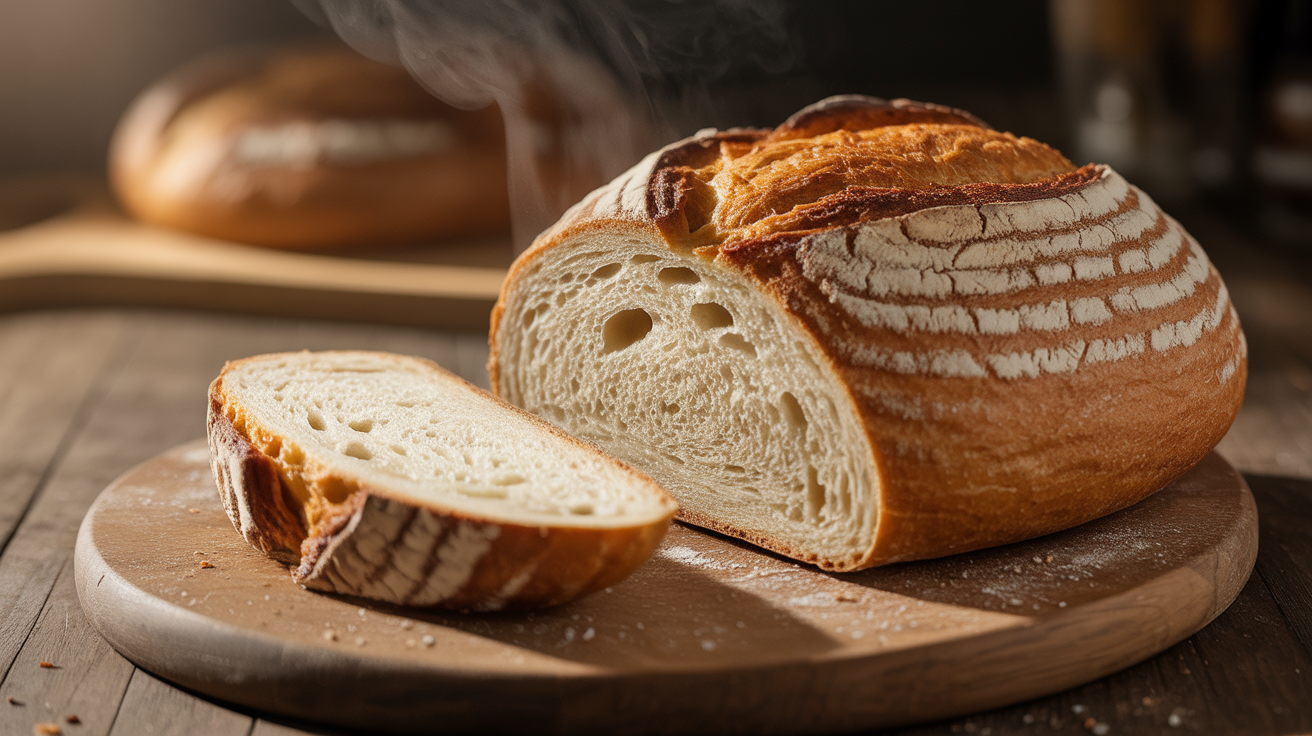
There are two main types of baking powder: single-acting and double-acting. Single-acting baking powder releases its carbon dioxide gas as soon as it's mixed with liquid. Double-acting baking powder, which is the most common type found in stores, releases some gas when mixed with liquid and then releases more gas when heated in the oven. This double release provides a more consistent and reliable rise, especially in recipes that require a longer baking time. This is especially important when baking something like a sourdough loaf, where the initial rise is crucial for the final texture.
The Chemical Reaction: Bubbles, Bubbles Everywhere!
The magic of both baking soda and baking powder lies in the chemical reaction that produces carbon dioxide. When baking soda reacts with an acid, it forms carbon dioxide, water, and a salt. This carbon dioxide gas gets trapped in the batter or dough, creating bubbles that expand during baking, resulting in a light and airy texture. The same principle applies to baking powder, except the acid is already included in the powder itself.
The amount of carbon dioxide produced directly affects the rise and texture of your baked goods. Too little leavening and your cake will be dense and flat. Too much leavening and your cake might rise too quickly and then collapse, or it could have a bitter, soapy taste. Finding the right balance is key to achieving baking perfection. Think of it like this: the flour provides the structure, and the leavening provides the lift.
When to Use Baking Soda vs. Baking Powder
The decision of whether to use baking soda or baking powder depends largely on the other ingredients in your recipe. If your recipe includes acidic ingredients like buttermilk, brown sugar, or molasses, baking soda is usually the better choice. The baking soda will react with the acid, providing the necessary leavening and neutralizing the acid's flavor. This is especially true in recipes for cookies and quick breads.
If your recipe doesn't contain any acidic ingredients, or if it only contains a small amount, baking powder is the way to go. The baking powder will provide all the leavening you need, without requiring any additional ingredients. This is common in recipes for cakes, muffins, and some types of bread. Remember, always check your recipe carefully and follow the instructions precisely. A little attention to detail can make all the difference.
The Impact on Flavor and Texture
Using the wrong leavening agent can significantly impact the flavor and texture of your baked goods. As mentioned earlier, using too much baking soda can result in a bitter, soapy taste. This is because the excess baking soda doesn't fully react and leaves behind a residue. On the other hand, using too much baking powder can cause your baked goods to rise too quickly and then collapse, resulting in a dense, uneven texture.
The type of flour you use also plays a role. For example, pastry flour, with its lower protein content, requires a more delicate touch with leavening compared to bread flour, which can handle a stronger rise. Understanding how the ingredients interact is crucial for achieving the desired outcome. Experimentation is key, but always start with a well-tested recipe and make small adjustments as needed.
Testing for Freshness: Are Your Leavening Agents Still Active?
Like all ingredients, baking soda and baking powder can lose their potency over time. Using expired or stale leavening agents can result in flat, dense baked goods. Fortunately, there are simple tests you can perform to check for freshness. For baking soda, mix a teaspoon of baking soda with a few tablespoons of vinegar. If it fizzes vigorously, it's still good to use. If there's little to no reaction, it's time to replace it.
For baking powder, mix a teaspoon of baking powder with a few tablespoons of hot water. Again, if it fizzes vigorously, it's still active. If not, it's time for a fresh container. It's a good idea to label your baking soda and baking powder with the date you opened them, and replace them every six months to ensure optimal results. This is especially important if you're working on a delicate pastry or a complex bread recipe.
Troubleshooting Common Baking Problems
Even with the best ingredients and techniques, baking problems can still arise. If your cake is flat, it could be due to expired leavening agents, not enough leavening, or overmixing the batter. Overmixing develops the gluten in the flour, resulting in a tough, dense cake. If your cookies are too hard, it could be due to too much flour, not enough fat, or overbaking. If your bread isn't rising properly, it could be due to old yeast (if it's a yeast bread), not enough kneading, or a too-cold environment for proofing. Sourdough, in particular, requires careful attention to the starter's activity and the proofing process.
Don't be afraid to experiment and learn from your mistakes. Baking is a science, but it's also an art. Keep a baking journal to track your recipes, ingredients, and results. This will help you identify patterns and troubleshoot problems more effectively. And remember, even experienced bakers have their off days. The key is to keep learning and keep baking!
Baking Success: Knowledge is Power (and Delicious!)
Understanding the science behind baking soda and baking powder is essential for becoming a confident and successful baker. By knowing how these leavening agents work and when to use them, you can avoid common baking pitfalls and create delicious, perfectly risen treats every time. Whether you're baking a simple batch of cookies, a delicate pastry, or a hearty loaf of bread, mastering the art of leavening will elevate your baking skills to the next level. So, grab your apron, preheat your oven, and get ready to bake with confidence!
Now that you're armed with this knowledge, it's time to put it to the test! Try baking a recipe that uses both baking soda and baking powder, like a classic chocolate chip cookie recipe. Pay close attention to the ingredients and the instructions, and observe how the different leavening agents contribute to the final result. Share your baking creations with friends and family, and enjoy the sweet rewards of your newfound baking expertise. Happy baking!