Introduction: The Cookie Craving Crisis
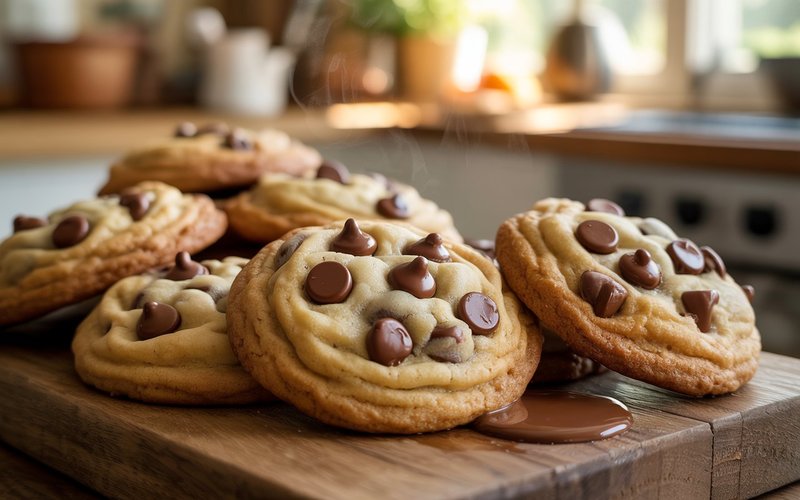
Picture this: it’s Sunday afternoon, and you’re hit with an overwhelming craving for warm, gooey chocolate chip cookies fresh from the oven. You know the kind – with perfectly crispy edges that give way to soft, chewy centers studded with melting chocolate chips. You could drive to the store and buy a package of pre-made cookies, but deep down you know they’ll never satisfy that craving for the real thing. What if I told you that with just a few pantry staples and some proven techniques, you could create bakery-quality chocolate chip cookies that are infinitely better than anything you can buy? This isn’t just another cookie recipe – it’s your roadmap to chocolate chip cookie perfection, complete with all the secrets professional bakers use to achieve that perfect texture and irresistible flavor.
The perfect chocolate chip cookie is a study in contrasts and balance. It requires understanding how different ingredients interact, how temperature affects texture, and how timing can make or break your batch. When done right, these cookies represent pure comfort food magic – the kind that fills your kitchen with an aroma so intoxicating that neighbors might start dropping by unexpectedly. So preheat your oven, clear your schedule, and let’s dive into creating cookies that will become your new signature treat.
Ingredients: The Foundation of Cookie Excellence
For the Perfect Cookies (Makes about 36 cookies):
• 2¼ cups (280g) all-purpose flour
• 1 teaspoon baking soda
• 1 teaspoon fine sea salt
• 1 cup (226g) unsalted butter, room temperature
• ¾ cup (165g) light brown sugar, packed
• ¾ cup (150g) granulated white sugar
• 2 large eggs, room temperature
• 2 teaspoons pure vanilla extract
• 2 cups (340g) high-quality chocolate chips or chopped chocolate
• ½ cup (60g) chopped walnuts (optional)
• Flaky sea salt for finishing (optional but recommended)
Ingredient Secrets: Room temperature butter is crucial for proper creaming – it should give slightly when pressed but not be melted. Brown sugar adds moisture and chewiness, while white sugar provides structure and crispy edges. Use the best chocolate you can afford; cheap chocolate chips can make even perfect cookie dough taste mediocre. For extra depth, try using a mix of semi-sweet and dark chocolate chips.
Equipment and Setup
• Stand mixer or large mixing bowl with electric hand mixer
• Large mixing bowls
• Measuring cups and spoons
• Cookie scoops or large spoons
• 2-3 large baking sheets
• Parchment paper or silicone baking mats
• Wire cooling racks
• Kitchen scale (recommended for accuracy)
Critical Setup Tips: Position racks in the upper and lower thirds of your oven. Use light-colored baking sheets for even browning – dark sheets can cause over-browning on the bottom. Line sheets with parchment paper for easy removal and cleanup. Have all ingredients measured and ready before you start mixing.
Step 1: Preparing the Dough Foundation
In a medium bowl, whisk together the flour, baking soda, and salt until well combined. Set this dry mixture aside – proper mixing of dry ingredients ensures even distribution of leavening agents. In your stand mixer bowl fitted with the paddle attachment (or large mixing bowl if using hand mixer), cream the room temperature butter with both sugars on medium-high speed for 3-4 minutes until the mixture becomes light, fluffy, and noticeably paler in color.
This creaming process is absolutely critical for cookie texture. Properly creamed butter and sugar creates tiny air pockets that give cookies their tender structure. Don’t rush this step – inadequate creaming results in dense, heavy cookies. The mixture should look almost white and feel light when you lift the beaters. If your butter was too cold, the mixture will look broken rather than smooth. If this happens, continue beating until it smooths out, or place the bowl in a warm spot for a few minutes before continuing.
Step 2: Building Flavor and Structure
Reduce mixer speed to medium and add eggs one at a time, beating well after each addition until fully incorporated. Add the vanilla extract and beat until combined. The mixture might look slightly curdled at this point – this is normal and will smooth out when you add the flour.
With the mixer on low speed, gradually add the flour mixture, mixing just until combined. Overmixing at this stage develops too much gluten, resulting in tough cookies. Stop mixing as soon as you no longer see streaks of flour. Using a wooden spoon or sturdy spatula, fold in the chocolate chips (and nuts if using) by hand. This gentle folding preserves the cookie dough’s tender texture while ensuring even distribution of mix-ins. The dough should look cohesive but not overworked, with chocolate chips evenly distributed throughout.
Step 3: The Secret Chilling Step
Here’s where many home bakers go wrong – they skip the chilling step. Cover your bowl with plastic wrap and refrigerate the dough for at least 2 hours, or preferably overnight. This chilling period serves multiple crucial purposes: it firms up the butter, preventing excessive spreading during baking; it allows the flour to fully hydrate, improving texture; and it lets the flavors meld together for deeper, more complex taste.
While your dough chills, resist the temptation to skip this step. Chilled dough holds its shape better during baking, creating cookies with better structure and more defined edges. If you’re in a hurry, you can quick-chill portions of dough in the freezer for 30 minutes, but longer chilling always yields better results. Properly chilled dough should feel firm but not rock-hard when you’re ready to bake.
Step 4: Baking to Perfection
Preheat your oven to 375°F (190°C) and position racks in the upper and lower thirds. Line baking sheets with parchment paper. Using a cookie scoop or large spoon, portion the chilled dough into balls about 2 tablespoons each, placing them 2 inches apart on prepared baking sheets. Don’t flatten the dough balls – let them spread naturally during baking.
Bake for 9-11 minutes, rotating the pans halfway through for even browning. The cookies are done when the edges are set and lightly golden, but the centers still look slightly underbaked and soft. They might look underdone, but they’ll continue cooking on the hot pan after removal. This is the secret to achieving that perfect chewy center. Remove from oven and let cookies rest on the baking sheet for 5 minutes before transferring to wire racks. If using flaky sea salt, sprinkle it on the cookies while they’re still warm.
Step 5: Timing and Temperature Mastery
Understanding your oven is crucial for consistent results. Every oven bakes differently, so use visual cues rather than relying solely on timing. Start checking cookies at 9 minutes – they should be puffed and the edges should be set but not dark brown. The centers should look soft and slightly underbaked. If your cookies are browning too quickly, reduce temperature by 25°F and extend baking time slightly.
For perfectly uniform cookies, use a kitchen scale to portion dough into equal 45-50 gram balls. Consistent size ensures even baking. If you prefer smaller cookies, use 30 gram portions and reduce baking time by 1-2 minutes. For larger bakery-style cookies, increase to 70 gram portions and add 2-3 minutes to baking time. Remember, cookies continue cooking on the hot pan after removal, so slight underbaking ensures perfect final texture.
Troubleshooting Common Cookie Problems
Cookies Spread Too Much: Your butter was too warm, you didn’t chill the dough long enough, or your oven temperature is too low. Solution: Ensure butter is cool room temperature, chill dough thoroughly, and verify oven temperature with a thermometer.
Cookies Are Too Thick: You might be pressing down on dough balls before baking, or your dough is too cold. Let chilled dough sit at room temperature for 10-15 minutes before scooping if it’s very firm.
Uneven Browning: Rotate pans halfway through baking and ensure racks are properly positioned. Dark baking sheets can cause over-browning on bottoms – use light-colored sheets or reduce temperature by 25°F.
Dry or Tough Cookies: Usually caused by overbaking or overmixing the dough. Cookies should look slightly underbaked when removed from oven. Next time, reduce baking time by 1-2 minutes and mix flour just until combined.
Storage and Make-Ahead Magic
Fresh-baked cookies stay soft for up to one week when stored in an airtight container at room temperature. Place a slice of bread in the container to maintain moisture – replace the bread every few days. For longer storage, freeze baked cookies for up to 3 months in freezer bags with air removed.
Cookie dough is incredibly make-ahead friendly. Portion unbaked dough into balls, freeze on baking sheets until solid, then transfer to freezer bags. Frozen dough balls can be baked directly from frozen – just add 1-2 extra minutes to baking time. You can also refrigerate portioned dough balls for up to 3 days, making it easy to bake fresh cookies whenever cravings strike. The dough actually improves with time, so don’t hesitate to make it several days ahead of when you plan to bake.
Variations to Keep Things Exciting
Double Chocolate: Replace ½ cup flour with unsweetened cocoa powder and add white chocolate chips instead of regular ones for an intense chocolate experience.
Brown Butter Boost: Brown your butter in a saucepan until nutty and fragrant, then cool completely before using. This adds incredible depth of flavor with caramelized notes.
Mix-In Madness: Try combinations like dried cranberries with white chocolate, toasted coconut with dark chocolate, or crushed pretzels with caramel chips. Keep total mix-ins to about 2 cups to maintain proper dough consistency.
Seasonal Twists: Add orange zest and dried cranberries for holidays, or try espresso powder and dark chocolate for a sophisticated mocha version. Cinnamon and nutmeg create warm, spiced cookies perfect for fall.
Conclusion: Your New Cookie Legacy
You’ve just mastered the art and science of perfect chocolate chip cookies! These aren’t just any cookies – they’re your new signature treat that will have friends and family begging for the recipe. The combination of technique, quality ingredients, and attention to detail transforms simple pantry staples into something truly extraordinary.
Now comes the best part: making these cookies your own. Start with this perfected base recipe, then experiment with your favorite mix-ins and variations. Keep detailed notes about what works in your kitchen – every oven and environment is slightly different. Most importantly, share these cookies with people you care about. There’s something magical about the smell of cookies baking and the joy of sharing warm, homemade treats. So fire up that oven, gather your ingredients, and start creating delicious memories one batch at a time. Happy baking!