Why You Should Put Cheap Red Wine in the Blender (Yes, Really)
The Secret Weapon for Effortless Entertaining
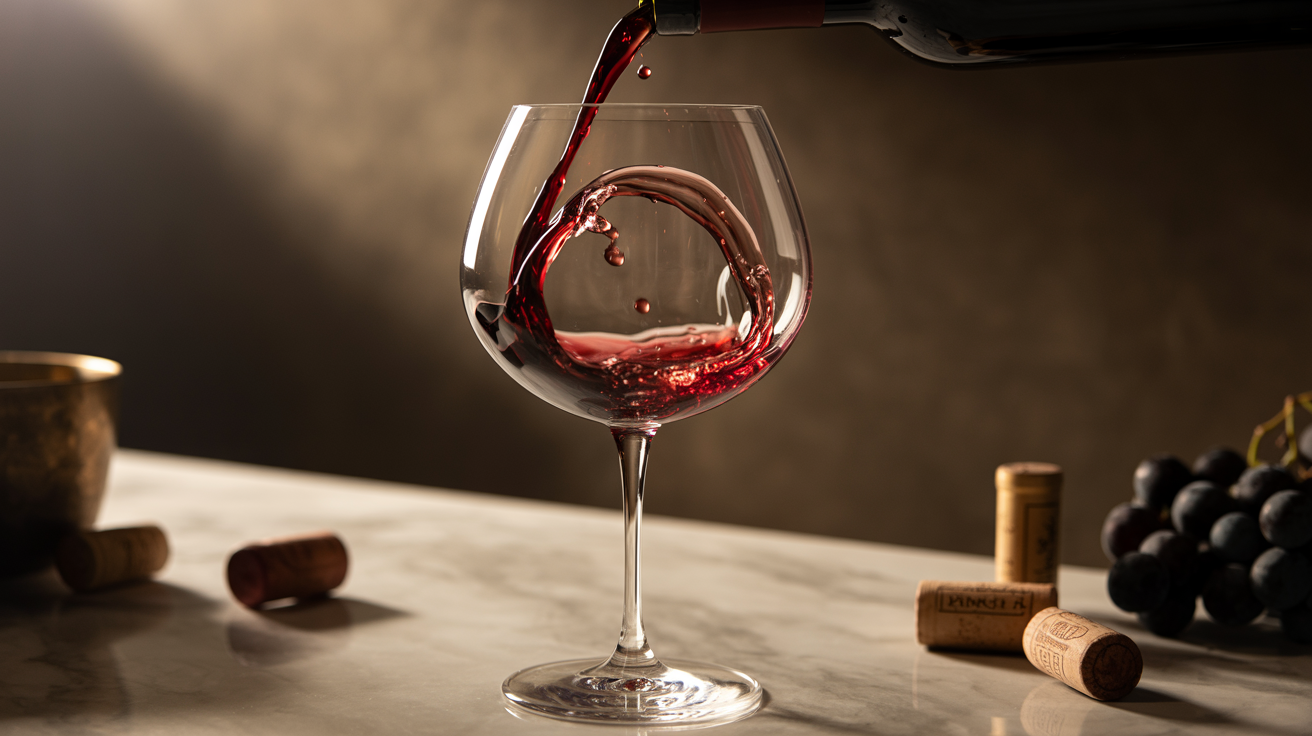
Let's be honest, we've all been there. You're hosting a party, you've got the appetizers prepped, the music is playing, and then you realize… you forgot to chill the good wine. Or worse, you only have that bottle of "questionable" red wine your aunt gifted you last Christmas. Don't panic! Instead of resigning yourself to serving lukewarm wine or rushing to the store, grab your blender. Yes, you read that right. Blending red wine, especially the less-than-stellar variety, can transform it into something surprisingly delicious and party-worthy. It's a game-changer for entertaining, and it's a secret weapon that will impress your guests without breaking the bank.
This isn't some crazy internet fad; it's a technique sommeliers and bartenders have been quietly using for years to improve the taste and texture of red wine. The blending process aerates the wine, softening tannins and releasing hidden flavors. Think of it as a quick and easy way to give that cheap bottle a much-needed makeover. So, ditch the wine snobbery and embrace the blender – your taste buds (and your wallet) will thank you.
Why Cheap Wine Benefits the Most
While you *can* blend expensive wine, the real magic happens with the cheaper stuff. Why? Because inexpensive red wines often suffer from harsh tannins, a lack of complexity, and sometimes, even a slightly "off" flavor. These are precisely the issues that blending can address. The high-speed blending process introduces oxygen, which helps to break down those aggressive tannins, making the wine smoother and more palatable. It also helps to integrate the various flavor components, creating a more harmonious and balanced profile.
Think of it like this: a cheap wine is like a rough draft, and blending is the editing process. It polishes the edges, smooths out the imperfections, and brings out the hidden potential. You're not trying to turn it into a Grand Cru, but you *are* aiming to make it enjoyable and drinkable. Plus, let's face it, you're less likely to feel guilty experimenting with a $10 bottle than a $50 one. This makes it perfect for experimenting with different cocktail recipes and entertaining on a budget.
The Science Behind the Swirl
The key to understanding why blending works lies in the science of aeration. When you swirl wine in a glass, you're exposing it to oxygen, which helps to release volatile compounds and soften tannins. Blending takes this process to the extreme. The high-speed blades of the blender create a vortex that rapidly aerates the wine, mimicking years of aging in a matter of seconds. This rapid oxidation helps to break down the long-chain molecules that contribute to harshness and bitterness, resulting in a smoother, more approachable wine.
Furthermore, the blending process can also help to integrate the different flavor components of the wine. Often, cheaper wines have disjointed flavors that don't quite mesh well. The blending action helps to combine these flavors, creating a more cohesive and balanced taste. It's like giving the wine a chance to "marry" its different elements, resulting in a more harmonious and enjoyable drinking experience. This is especially useful when you're planning on using the wine in cocktails, as a well-integrated wine will blend better with other ingredients.
Blending 101: The Simple Steps
Ready to give it a try? Here's the simple process for blending red wine: First, pour the entire bottle of red wine into your blender. Make sure your blender is clean and dry to avoid any unwanted flavors. Next, blend on high speed for 15-30 seconds. You'll notice the wine becomes frothy and lighter in color as it aerates. Finally, pour the blended wine into a decanter or pitcher and let it sit for a few minutes to allow the foam to dissipate. This resting period allows the flavors to fully integrate and the wine to settle.
That's it! You've just transformed a cheap bottle of red wine into something surprisingly palatable. Serve it chilled or at room temperature, depending on your preference. You can also use it as a base for sangria, mulled wine, or other red wine cocktails. The possibilities are endless! Remember to taste the wine after blending and adjust the blending time to your liking. Some wines may benefit from a longer blending time, while others may only need a quick whirl.
Beyond the Blend: Flavor Enhancements
While blending alone can significantly improve the taste of cheap red wine, you can take it a step further by adding a few simple flavor enhancements. A squeeze of lemon or lime juice can brighten the wine and add a touch of acidity, balancing out any residual sweetness. A splash of brandy or other liqueur can add depth and complexity. And a pinch of sugar or honey can soften the tannins and make the wine more approachable, especially for those who prefer sweeter drinks.
Consider adding fresh fruit, such as berries, citrus slices, or even a few grapes, to the blender for a burst of natural flavor. Spices like cinnamon, cloves, or nutmeg can add warmth and complexity, especially during the colder months. And for a truly unique twist, try adding a shot of espresso or strong brewed coffee to the blender. The coffee will add a rich, roasted flavor that complements the red wine beautifully, creating a surprisingly delicious and sophisticated cocktail. This is a great option for entertaining guests who enjoy bold and unexpected flavor combinations.
Red Wine Cocktails: Level Up Your Entertaining
Now that you've mastered the art of blending red wine, it's time to put your skills to the test with some delicious red wine cocktails. Sangria is a classic choice, and blending the red wine beforehand will ensure a smoother, more flavorful base. Experiment with different fruits, juices, and liqueurs to create your own signature sangria recipe. For a winter warmer, try mulled wine. Blending the red wine before mulling will help to soften the tannins and allow the spices to infuse more effectively.
But don't stop there! Red wine can also be used in a variety of other cocktails, such as the New York Sour (red wine floated on top of a whiskey sour) or the Kalimotxo (red wine and cola). Get creative and experiment with different combinations of spirits, mixers, and garnishes. Blending the red wine beforehand will ensure that your cocktails are smooth, balanced, and bursting with flavor. Remember, entertaining is all about having fun and creating memorable experiences for your guests. And what better way to do that than with a delicious and unexpected red wine cocktail?
Pairing Blended Wine with Appetizers
The beauty of blended red wine, especially when enhanced with fruit or spices, is its versatility when it comes to food pairings. Its smoother tannins and brighter flavors make it a surprisingly good match for a wide range of appetizers. Think beyond the traditional cheese and crackers and explore some more adventurous pairings. Blended red wine, particularly when served chilled, pairs beautifully with charcuterie boards featuring cured meats, olives, and artisanal cheeses. The wine's acidity cuts through the richness of the meats and cheeses, while its fruity notes complement the savory flavors.
For a more substantial appetizer, consider pairing blended red wine with grilled vegetables, such as eggplant, zucchini, and bell peppers. The wine's earthy notes will complement the smoky flavors of the vegetables, creating a harmonious and satisfying pairing. And for a sweet and savory treat, try pairing blended red wine with dark chocolate. The wine's tannins will balance the sweetness of the chocolate, while its fruity notes will enhance the chocolate's rich flavor. Don't forget to consider the specific flavors you've added to your blended wine when choosing your appetizers. If you've added citrus, opt for lighter, brighter flavors. If you've added spices, choose appetizers with complementary warm spices.
From Frugal to Fabulous: The Final Sip
So, there you have it. The secret to transforming cheap red wine into something truly enjoyable is as simple as pressing a button. Blending red wine is a quick, easy, and effective way to soften tannins, release hidden flavors, and create a smoother, more balanced drinking experience. Whether you're entertaining guests, experimenting with cocktails, or simply looking for a way to make that budget-friendly bottle more palatable, blending is the answer. It's a game-changer for anyone who loves wine but doesn't want to break the bank.
Don't be afraid to experiment with different blending times, flavor enhancements, and cocktail recipes. The possibilities are endless! And remember, the most important thing is to have fun and enjoy the process. So, grab that bottle of cheap red wine, dust off your blender, and get ready to impress your friends (and yourself) with your newfound wine-blending skills. Cheers to frugal entertaining and fabulous flavors!
Ready to take your entertaining game to the next level? Try blending your next bottle of red wine and share your creations with us! We'd love to hear your favorite flavor combinations and cocktail recipes. Don't forget to tag us in your photos and use the hashtag #BlendedWineMagic. Happy blending!