Why Your Homemade Coffee Tastes Bitter (It's Not the Beans)
The Bitter Truth About Your Morning Brew
Ever find yourself staring into a mug of homemade coffee, disappointed by its acrid, bitter taste? You spent good money on those fancy beans, carefully ground them, and followed the instructions on your coffee maker to a T. So, what gives? It's easy to blame the beans, assuming they're stale or low-quality. But more often than not, the culprit lies elsewhere. Let's dive into the real reasons why your coffee might be tasting more like a punishment than a pleasure, and how you can fix it.
Water Quality: The Unsung Hero (or Villain)
Believe it or not, the water you use to brew your coffee plays a massive role in the final flavor. Tap water, while generally safe to drink, often contains minerals like chlorine and calcium that can negatively impact the taste of your coffee. These minerals can react with the coffee compounds, extracting unwanted bitter notes and masking the subtle, delicious flavors you're hoping for. Think of it like using tap water to mix your favorite cocktails – it can dilute the flavors and introduce unwanted tastes.
The solution? Filtered water. Using a water filter pitcher or a filter attached to your faucet can significantly improve your coffee. Bottled water is also an option, but be mindful of the mineral content listed on the label. Aim for water with a balanced mineral profile, avoiding excessively hard or soft water. Just like choosing the right ingredients for your party food and appetizers, selecting the right water is crucial for a successful coffee brewing experience.
Grind Size: Too Fine, Too Bitter
The grind size of your coffee beans is another critical factor that often gets overlooked. If your grind is too fine, especially when using a drip coffee maker or French press, you're essentially over-extracting the coffee. This means you're pulling out not only the desirable flavors but also the bitter compounds that reside deeper within the bean. Imagine squeezing a lemon too hard – you'll get the juice, but also the bitter pith.
Experiment with different grind sizes to find the sweet spot for your brewing method. A coarser grind is generally better for French presses, while a medium grind works well for drip coffee makers. If you're using an espresso machine, a very fine grind is necessary, but even then, dialing in the grind size is crucial to avoid bitterness. Consider investing in a burr grinder, which provides a more consistent grind than a blade grinder, leading to a more even extraction and a less bitter cup.
Water Temperature: Too Hot to Handle
Water temperature is another key element in the coffee brewing equation. If the water is too hot, it can scorch the coffee grounds, resulting in a bitter and burnt taste. The ideal water temperature for brewing coffee is between 195-205°F (90-96°C). Most coffee makers have built-in thermostats, but it's worth checking if yours is accurate. If you're using a kettle, use a thermometer to ensure the water is within the optimal range.
If you don't have a thermometer, a good rule of thumb is to bring the water to a boil and then let it sit for about 30 seconds before pouring it over the coffee grounds. This allows the water to cool slightly, preventing it from burning the coffee. Just like carefully monitoring the oven temperature when preparing appetizers for a party, paying attention to water temperature is essential for a delicious cup of coffee.
Brew Time: Patience is a Virtue (But Not Too Much)
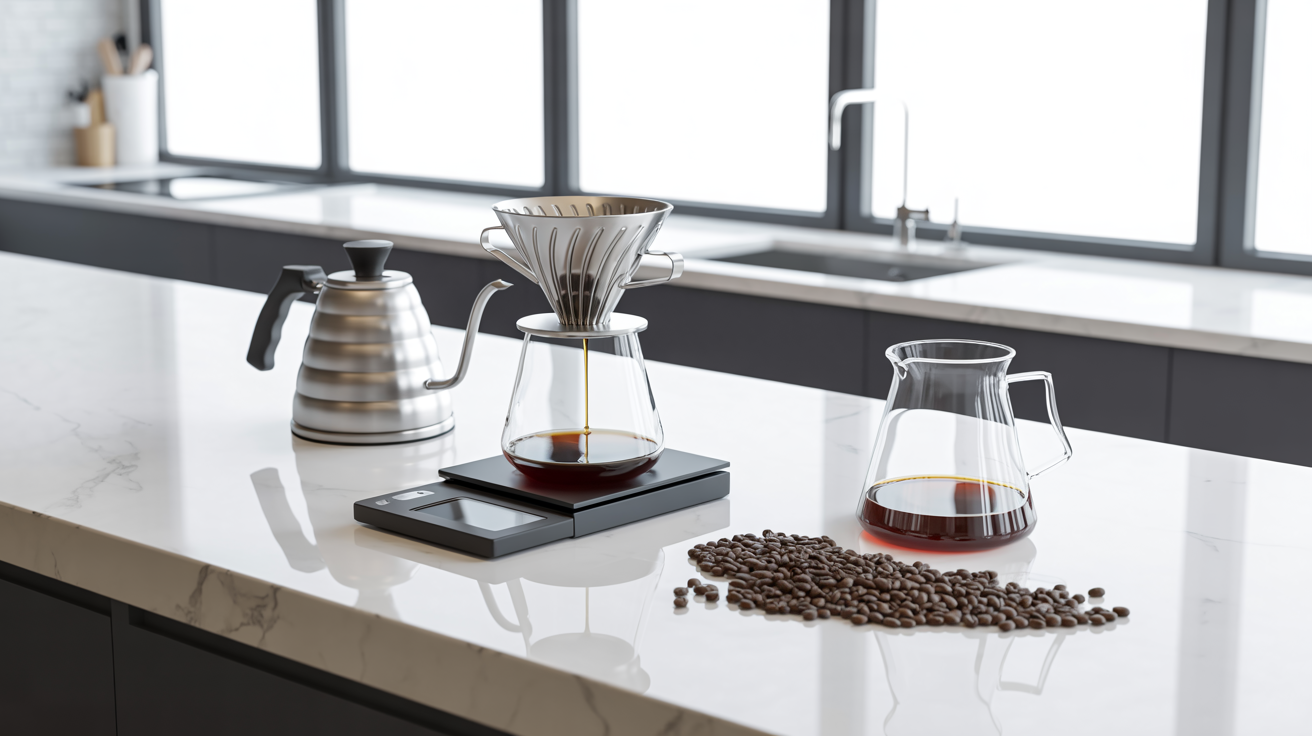
Brew time refers to how long the water is in contact with the coffee grounds. Over-extraction occurs when the water is in contact with the grounds for too long, leading to a bitter taste. This is particularly relevant for French presses and pour-over methods. With a French press, aim for a brew time of around 4 minutes. For pour-over, the entire brewing process should take about 2-3 minutes.
If you're using a drip coffee maker, the brew time is usually pre-set, but you can still influence it by adjusting the grind size. A finer grind will result in a longer brew time, while a coarser grind will shorten it. Experiment to find the right balance. Remember, just like you wouldn't leave your party food in the oven for too long, you shouldn't over-brew your coffee.
Dirty Equipment: A Breeding Ground for Bitterness
A clean coffee maker is a happy coffee maker. Over time, coffee oils and residue can build up in your coffee maker, leading to a bitter taste. These oils can also harbor bacteria and mold, which can further degrade the flavor of your coffee. Regular cleaning is essential to maintain the quality of your brew.
Follow the manufacturer's instructions for cleaning your coffee maker. In general, you should descale your coffee maker every 1-3 months, depending on how often you use it. You can use a commercial descaling solution or a mixture of equal parts white vinegar and water. Run the solution through the coffee maker, followed by several cycles of clean water to rinse away any residue. Don't forget to clean the carafe, filter basket, and other removable parts regularly with soap and water. Just like you wouldn't serve cocktails in dirty glasses, you shouldn't brew coffee in a dirty machine.
Bean Storage: Keep Them Fresh and Flavorful
Even the best coffee beans will lose their flavor and become bitter if they're not stored properly. Coffee beans are sensitive to air, light, moisture, and heat, all of which can degrade their quality. The best way to store coffee beans is in an airtight container in a cool, dark, and dry place. Avoid storing them in the refrigerator or freezer, as this can introduce moisture and affect their flavor.
Ideally, you should buy whole bean coffee and grind it just before brewing. This will help to preserve the freshness and flavor of the beans. If you buy pre-ground coffee, use it within a week or two. Consider investing in a vacuum-sealed container to further protect your beans from oxidation. Think of it like storing your finest ingredients for party food – proper storage is key to preserving their quality and flavor.
Bean Quality: Sometimes, It Really Is the Beans
While we've focused on factors beyond the beans themselves, it's important to acknowledge that the quality of your coffee beans does matter. Stale, low-quality beans will inevitably produce a bitter cup of coffee, no matter how carefully you brew them. Look for beans that are freshly roasted and have a clear roast date. Avoid beans that are oily or have a dull, lifeless appearance.
Experiment with different types of beans to find the ones you enjoy the most. Arabica beans are generally considered to be higher quality than Robusta beans, and they tend to have a smoother, less bitter flavor. Consider buying your beans from a local roaster who can provide you with fresh, high-quality beans and expert advice. Just like choosing the right wine to pair with your appetizers, selecting the right coffee beans is essential for a satisfying experience.
Say Goodbye to Bitter Coffee!
So, there you have it – the real reasons why your homemade coffee might be tasting bitter, and how to fix them. By paying attention to water quality, grind size, water temperature, brew time, equipment cleanliness, bean storage, and bean quality, you can transform your morning brew from a bitter disappointment into a delightful experience. Now, go forth and brew some amazing coffee! And while you're at it, why not explore some delicious coffee-based cocktails to impress your friends at your next gathering? Or perhaps pair your perfect cup with some delectable party food for the ultimate indulgence. The possibilities are endless!